

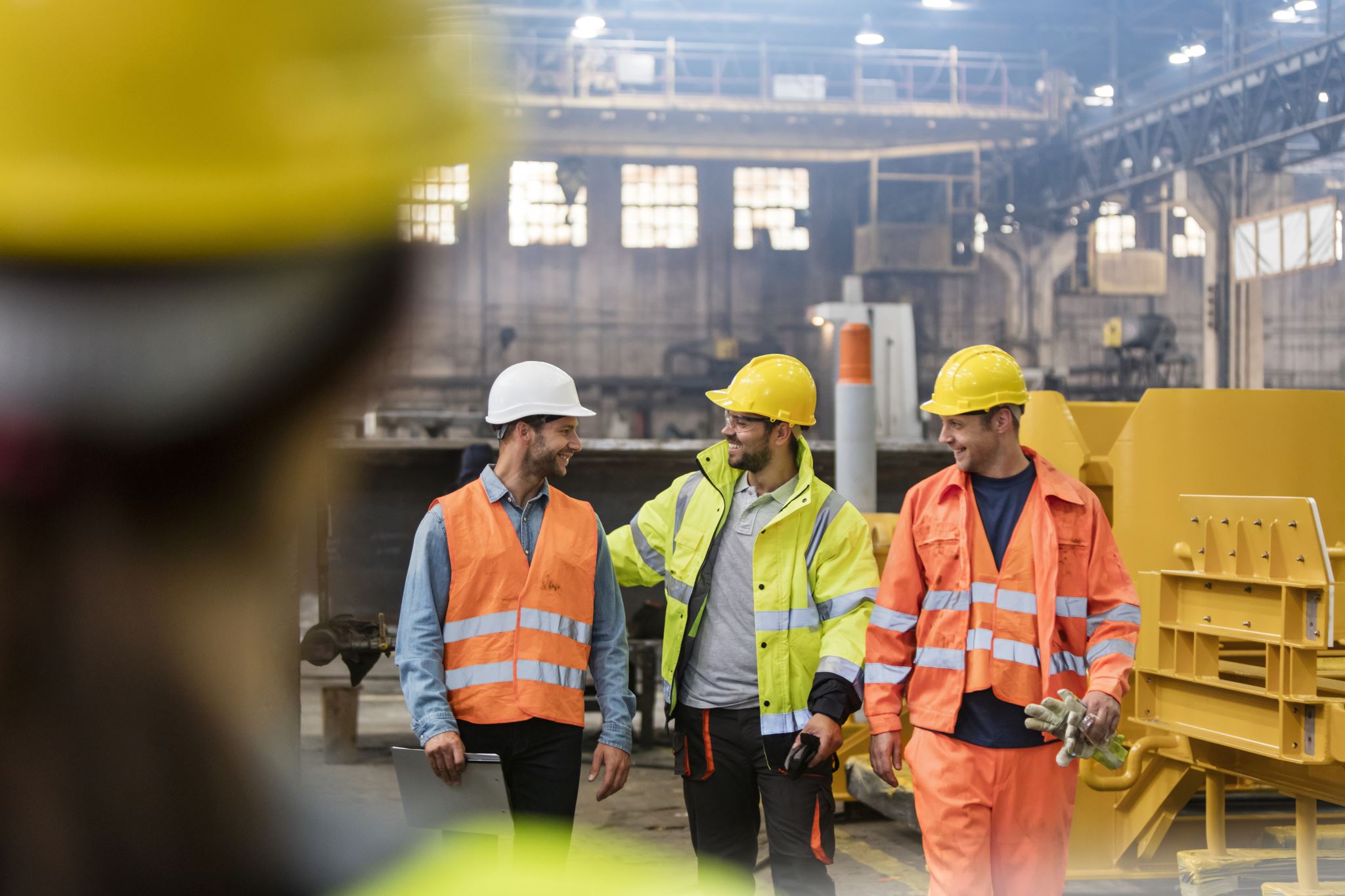
Manufacturing has always depended on strong safety practices, skilled employees, and reliable equipment. Today, technology is helping companies build on those fundamentals by providing better visibility into workplace conditions and equipment performance. Digital tools allow manufacturers to identify risks earlier, respond more quickly, and make informed decisions that protect employees while supporting efficient production.
Real-Time Monitoring Improves Awareness
Modern manufacturing facilities use connected devices to monitor equipment, production lines, and environmental conditions throughout the workday. Sensors can measure factors such as temperature, pressure, vibration, and machine performance, allowing supervisors to recognize abnormal conditions before they become larger problems.
Real-time monitoring also supports faster decision-making during unexpected events. If a system begins operating outside acceptable limits, maintenance teams can investigate immediately instead of discovering the issue after production has been affected or equipment has failed. Having continuous access to operational data helps managers make proactive safety decisions rather than reacting after an incident occurs.
Automation Reduces Workplace Hazards
Automation has changed how many manufacturing tasks are performed. Robots and automated equipment now handle activities such as lifting heavy materials, welding, palletizing, and repetitive assembly work.
Removing employees from high-risk tasks helps reduce exposure to injuries associated with repetitive motion, excessive lifting, and hazardous machinery. Workers can instead focus on equipment oversight, inspections, quality assurance, and problem-solving where human judgment provides the greatest value.
Predictive Maintenance Supports Reliability
Equipment failures can create serious safety concerns, particularly when they occur without warning. Instead of relying only on scheduled maintenance, many manufacturers now use predictive maintenance sensors to monitor machine health continuously.
These systems detect early signs of wear, unusual vibration, or overheating before equipment reaches the point of failure. Maintenance teams can then schedule repairs during planned downtime, reducing the likelihood of unexpected breakdowns that could disrupt production or place employees at risk. Reliable equipment contributes to both operational efficiency and workplace safety.
Technology Works Best With Strong Safety Practices
Digital tools provide valuable support, but lasting safety improvements depend on employee involvement and consistent procedures. Regular training, clear communication, equipment inspections, and established reporting processes remain essential parts of every manufacturing operation.
Organizations that combine technology with a strong safety culture are better prepared to identify hazards early, improve operational reliability, and protect their workforce. As manufacturing continues to evolve, thoughtful investments in safety technology can help businesses create workplaces that are both productive and prepared for future challenges. Look over the infographic below to learn more.

