

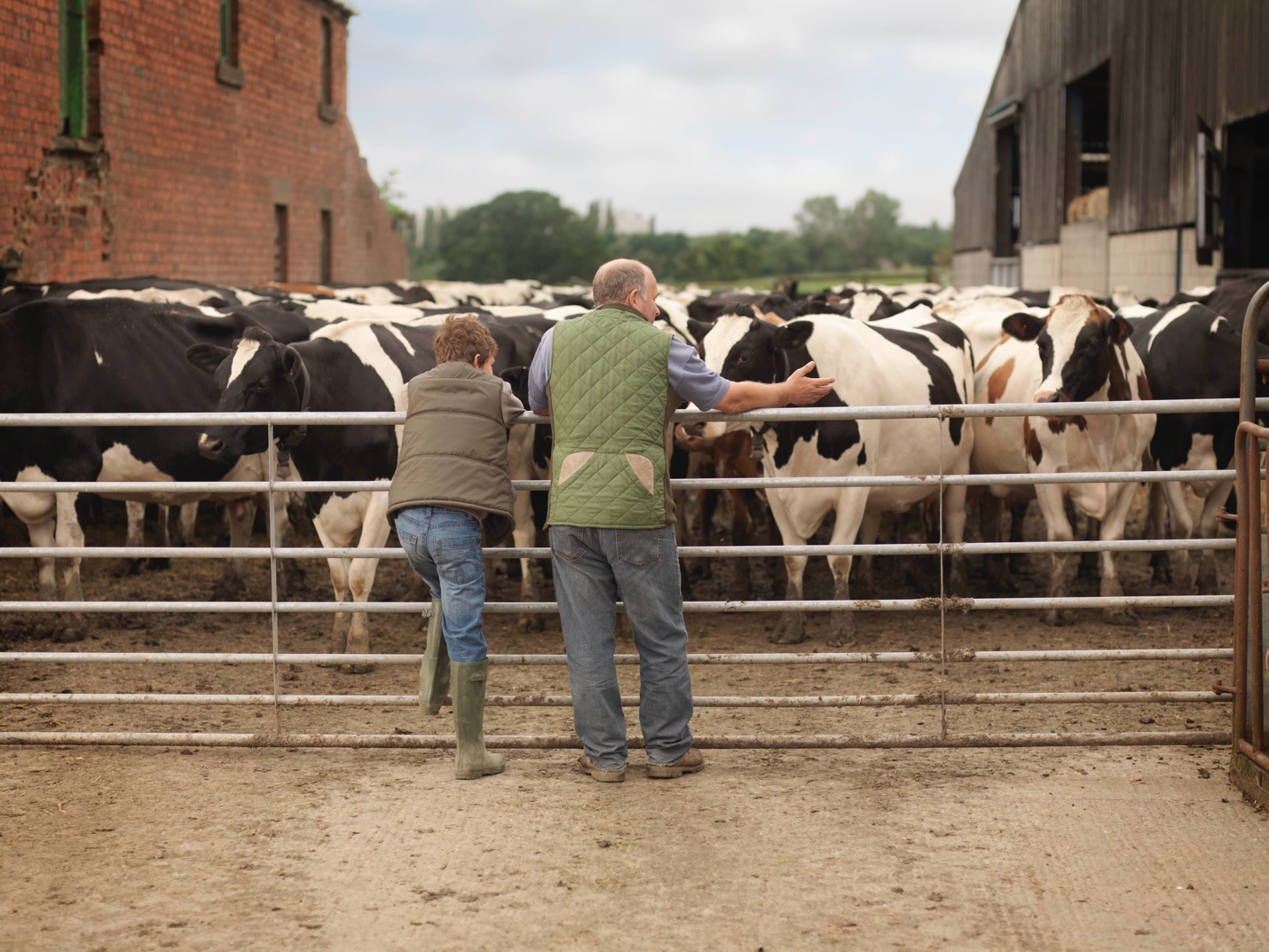
The global beef trade relies on an interconnected network of producers, processors, transportation providers, distributors, and retailers. Every shipment follows a carefully planned route influenced by consumer demand, production capacity, trade policies, and transportation infrastructure. For business leaders and technology professionals, these trade routes demonstrate how data, logistics, and financial planning work together to keep international supply chains moving.
Major Exporters Supply Worldwide Demand
Countries such as Brazil, the United States, Australia, Argentina, and Canada rank among the world’s leading beef exporters. Their production supports demand across Asia, Europe, the Middle East, and other regions where domestic supply may not fully meet consumer needs.
Trade agreements, import regulations, and animal health requirements all influence where products are shipped. Changes to any of these factors can quickly redirect trade flows, requiring producers and distributors to adjust sourcing strategies and transportation plans. Reliable market data allows businesses to respond more effectively.
Technology Keeps Supply Chains Moving
Modern beef supply chains depend on digital tools that improve visibility from processing facilities to final delivery. GPS tracking, inventory management systems, and temperature monitoring help companies maintain product quality throughout transportation.
Data collected during shipping also allows businesses to identify delays, improve route planning, and reduce unnecessary waste. Greater visibility across the supply chain supports better coordination between producers, logistics providers, and customers. These technologies help organizations make faster decisions while maintaining product integrity across long shipping distances.
Financial Planning Supports Global Trade
International trade involves more than transportation. Businesses must also manage changing fuel prices, currency fluctuations, seasonal production cycles, and operating expenses.
Many companies rely on agricultural financial services to help manage cash flow, finance equipment purchases, and prepare for market changes. Strong financial planning gives producers and distributors greater flexibility when responding to shifting demand or temporary supply disruptions. Combining financial planning with reliable operational data helps businesses make informed investment decisions.
Business Lessons From Global Trade
The global beef trade highlights the importance of resilience, visibility, and strategic planning. A weather event, transportation delay, or policy change in one country can influence pricing and availability across multiple markets.
Organizations that monitor supply chain performance, maintain strong supplier relationships, and invest in technology are often better prepared to adapt as conditions change. These same principles apply across many industries, making the global beef trade a valuable example of how modern businesses can strengthen operations through informed planning, reliable data, and effective collaboration. Check out the infographic below to learn more.

